Why AI Isn’t a Substitute for Therapy: From a Colorado Therapist
Overview: In this blog, I will speak about the difference between getting advice from AI versus a licensed mental health professional. Though AI has become an everyday resource for many people, it is not suitable for providing ethical and effective care for mental health needs.
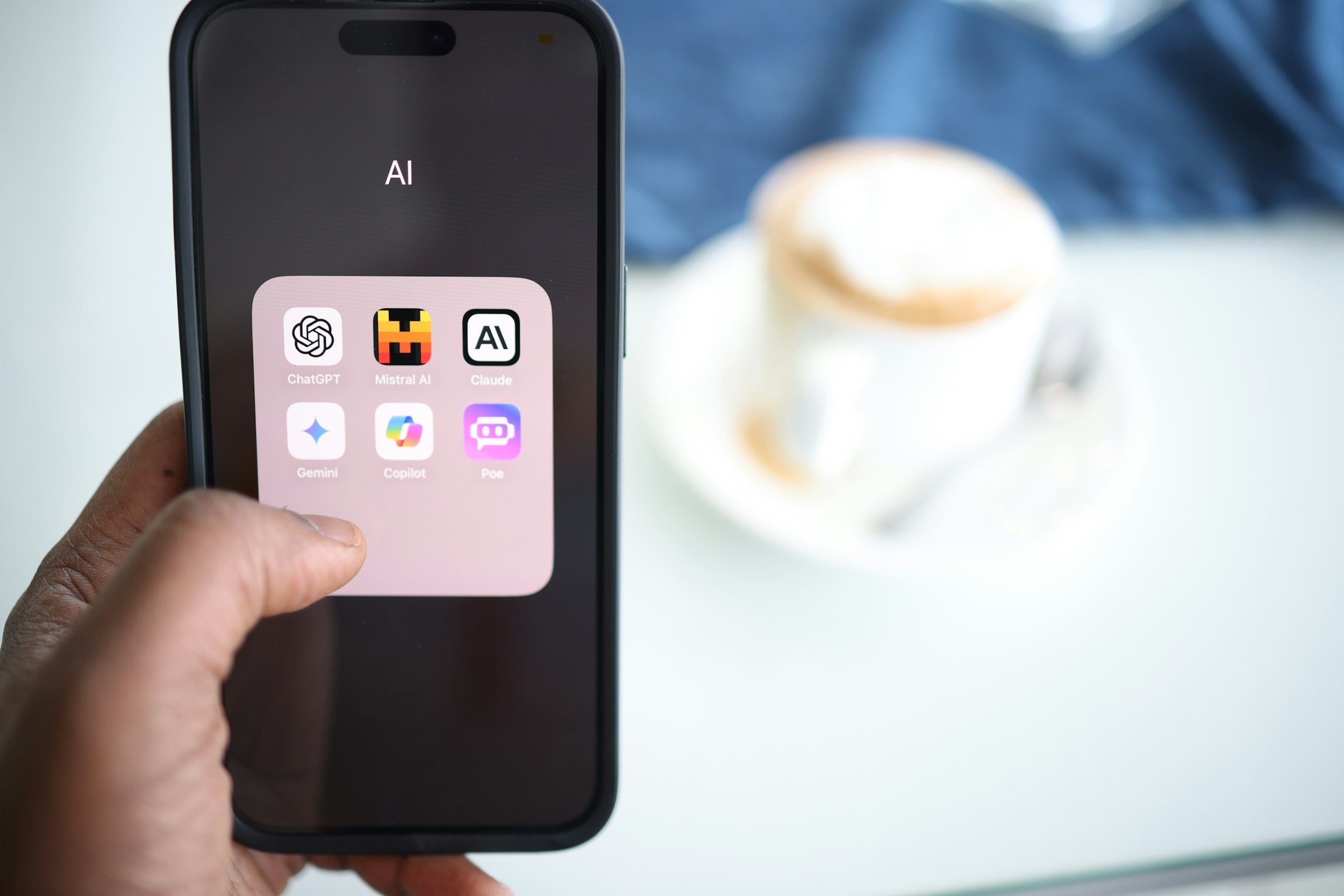
As a therapist in Colorado for the better part of 10 years, I have grown more concerned about where the public is getting their mental health support from. It’s hard for the everyday person to know who and what are reliable sources for mental health. There are multiple kinds of licenses, degrees, and titles, such as “life coach” to add to the confusion.
In a previous blog, I mentioned the Dangers of TikTok Therapy, but that alone isn’t the most concerning “source” of mental health information. While the internet has allowed people to market themselves falsely as mental health specialists with no license or training, I believe the use of AI for therapy is just as detrimental as speaking to someone who has no credentials or education. I feel that it is my duty to spread this awareness not to just my clients or people in my life, but to people who need help and do not know the harm using AI for therapy can cause.
AI and how people in need of mental help are using it:
AI has become normalized by a large portion of the population. While many people use it to help them write emails, create schedules, or do other mundane tasks, it becomes dangerous when people use it to get advice on mental health or topics that are related to one’s emotional health.
What are the dangers:
AI is a Large Language Model, meaning that it uses data from other interactions with humans to reproduce content that the system believes is helpful or correct. Instead of thinking like a human, AI uses pattern recognition to analyze what problem you are asking it and to give you the most statistically probable response.
What does this mean? Well, according to specialists in the field, including “The Data and AI Guy”, it means that it is using data to give you answers without it being able to understand nuances, read your emotions, or have awareness of its impact on a person’s life.
Not only do they lack feelings, consciousness, or human intent, but they can confidently state incorrect information. Specialists have noted that AI systems prioritize sounding logical over checking facts (in other words lacking the ability to provide information that you would receive from a mental health therapist with specialized training and the ability to critically breakdown problems).
What makes a therapist safer and more effective than AI:
Possibly the most important reason that a therapist is safer than an AI, is that a therapist is a human! Therapists have their own human experiences, 6+ years of higher education, and must have a license to practice.
Along with our education and human experiences, we have the ability to think deeper and provide more ethical and customized ways to help clients.
Therapists have an ethical duty to keep all your records confidential and protected from outside sources who aim to track data such as AI models.
As mentioned earlier, AI will provide you with the wrong information and do so confidently because it sees things in all-or-nothing. Humans and their challenges are far from all-or-nothing.
Regarding my practice in Colorado, I use attachment therapy to help clients heal wounds from relationships. While I explain more about this therapy in my specialty’s pages, this type of therapy uses the therapeutic relationship between the clinician and client to work through conflict and challenges and to teach clients what healthy attachments look and feel like. In no way could an AI system provide this service to clients and if it tried, it would be detrimental to a client’s sense of self, sense of relationships, and could cause unhealthy dependence on a program that isn’t knowledgeable, stable, and based in human reality.
If you have been using AI for mental health support, it isn’t too late to find a provider who can offer you true mental health treatment!
I understand that there is a financial cost to therapy, but it is an investment in yourself, and it is the safest way to go if you need mental or emotional help.
If you are interested in receiving help from a professional in Colorado, please request an appointment or contact me via phone (720) 689-6166 or email laurenblanchard@intuitivecounselingco.com.